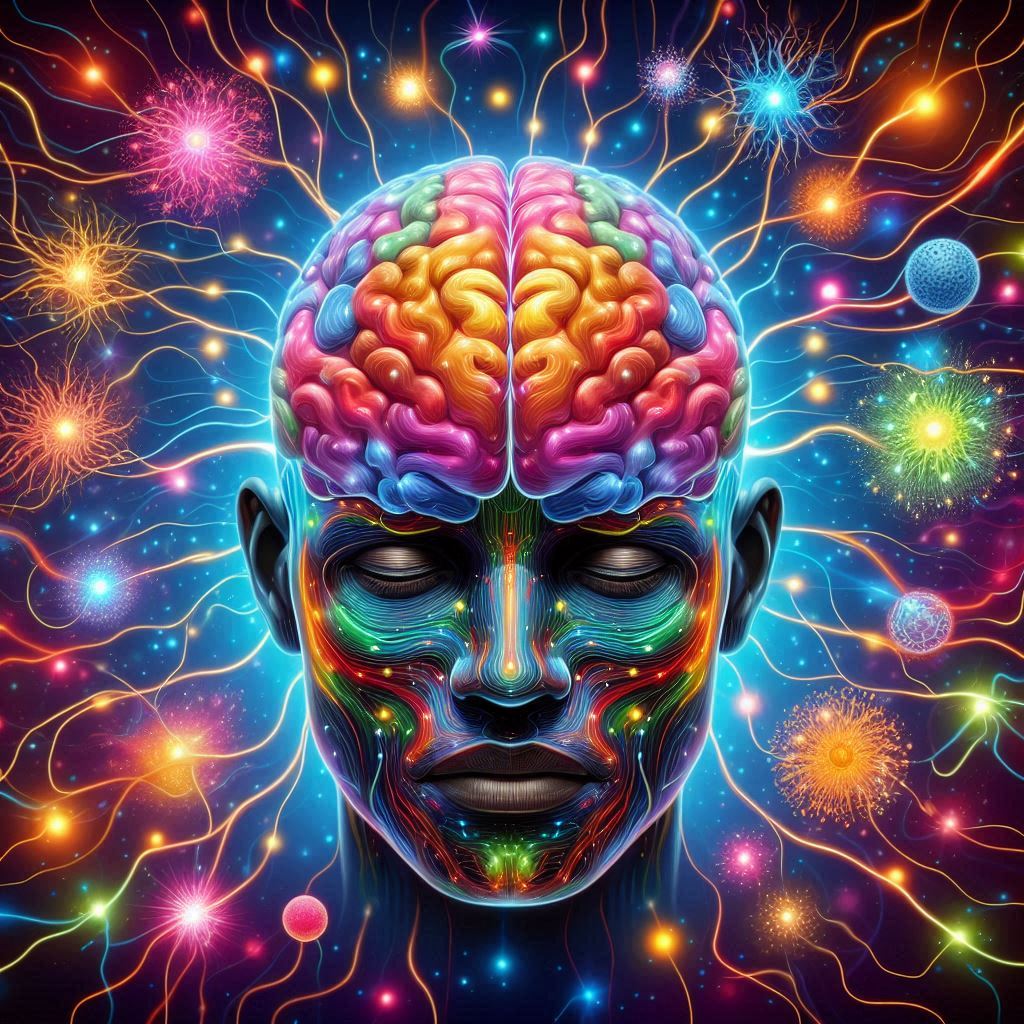
Memory Of The Human Brain

How Does Memory Work?
The memory of the human brain is an incredible phenomenon. Just think about what you would accomplish without your memory! Well, you probably wouldn’t be able to remember the question long enough to answer it. That is how crucial memory is to our lives.
This attribute allows us to learn, study and formulate great thoughts. It also allows us to recall significant or even insignificant moments in our lives with incredible depth and vividness. We can relive those moments complete with all the sensations of our senses and all the emotions of that event. So what’s behind this superpower of the human brain?
What gives us the power to remember?
If memory, the function, has a home in the human brain that home is in the hippocampus. This area of the brain is where the actual processing memory occurs. Memory, in terms of storage, where the actual memories (new or old) are stored, happens in the gray matter, or the cerebral cortex, of the brain. Between these two memory parts of the brain, there are vast networks of nerve pathways that relay information back and forth.
Memory in the human brain often works in combinations. In other words, you do not just remember one tiny bit of information. Memory can be triggered by a single sensation, a smell, a taste, or a movie scene, but once triggered you’ll usually remember a group of words, sensations, and/or images together.
For me a big one is music. If I hear a song for the first time in a long time, my mind is flooded with memories, of what I was doing, where I was for instance, and memories of when that song was popular. The interesting question that has been debated is whether or not the memories are stored together, or are there strong pathways that connect to the separate memories.
Recently, after testing people using functional MRIs (fMRI’s), scientists were able to see that the information as it was being learned was activating certain parts of the brain, because of the type of data these parts were involved in color and location processing. When tasked with recalling the information the same areas of the brain lit up on the fMRI. This supports the bundled of memory conclusion. When an input is first learned, it must be experienced together to be recalled together later. This is one of the basis’ for a new teaching paradigm, brain based learning.
 There are other types of memory in the human brain. One type is procedural memory. Procedural memory happens when we learn and remember how to do actions or processes over time. Think about when you learned cursive writing. You practiced in your book, writing the letter ‘A’ over and over again.
In fact, every time you write the letter ‘A’, even now later in life, you are reinforcing in your brain how to write the letter ‘A’ in cursive. This process is not done consciously it’s just done as you learn and repeat these actions or processes. Can you think of other things you learned this way?
Another type of memory in the human brain is declarative memory. This is a very conscious form of memory. It involves the kind of learning and recall that you are very aware of and probably initiated. Declarative memory is used when we are cramming for tests or trying to remember that person’s phone number or otherwise trying to force some fact out of your memory. Do you remember what you had for breakfast yesterday?
The other two categories for memory of the human brain are long-term memory and short-term memory. Short-term memory is just that. It holds a limited number of pieces of information. They remain in the person’s mind for a short time, minutes to a few hours in some cases. It’s been said that most people’s short-term memory can take about 9 pieces of information before it tops out. Test yourself out, give yourself 9 or more random facts or words and see how many you can recall two minutes later, or ten, or an hour later.
Memories usually become long-term memory in the brain when it is accompanied with something different that makes the memory especially memorable. It may be a strong emotion or something that has been repeated over and over again. What are some of your long-term memories? Your first kiss? Your first job? A game-winning play? In any case, long-term memories can last as long as a lifetime.