Scars Left by Brain Surgery – Cosmetic Considerations of Surgery
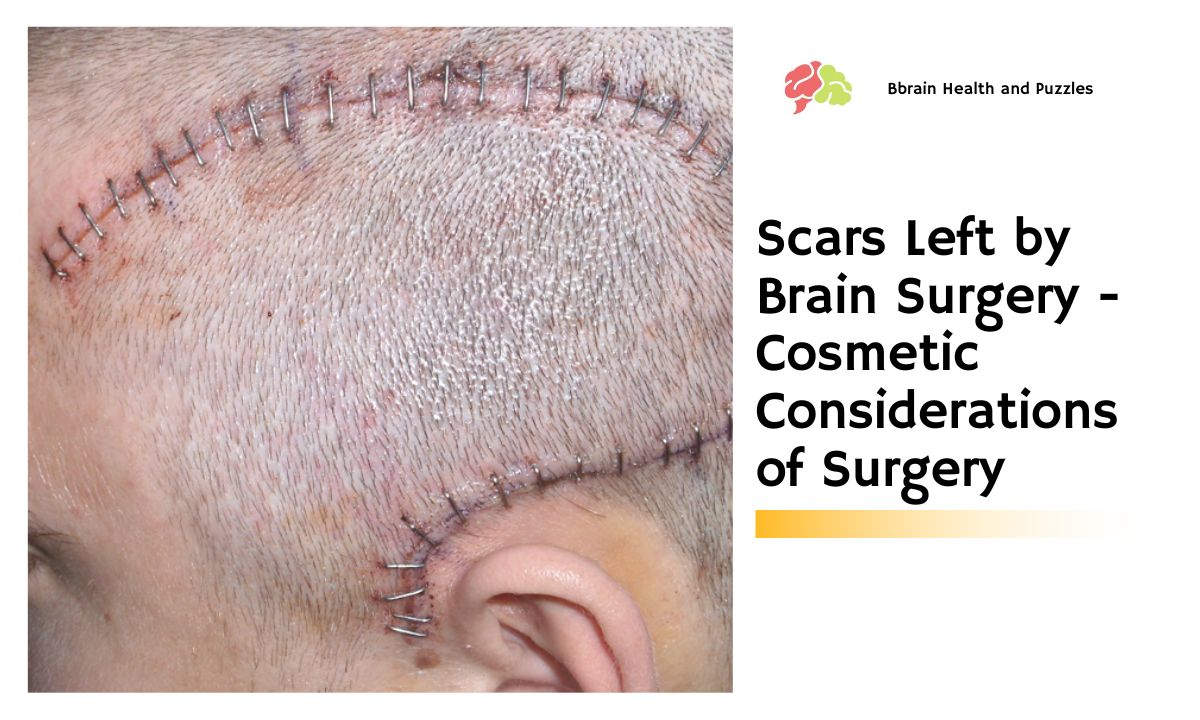
The aim of brain surgery is to significantly improve a person’s quality of life or indeed save it. But like any surgery, even cosmetic surgeries, brain surgery leaves behind scars. Since these scars appear on the head, probably the most prominent part of the body, scars left by brain surgery can be a very sensitive issue. It’s even worse in the case of having to undergo multiple sessions.
Types Of Incisions
Human Brain surgeons use a number of different incision techniques or types of incisions. These include:
- Question mark incisions
- Linear incisions
- Elliptical incisions
- U shaped incisions
- Curvilinear incisions (curved lines)
- S-shaped incisions
Scar Variables
Needless to say, each type of incision leaves behind a different shaped scar after healing. The speed at which the incision wound heals and the amount of scar tissue formed is based on how the incision is closed. Either in a single layer or multiple layers. The amount of scar tissue formed is dependent on a number of other factors such as:
- The type of suture used: Monofilament sutures elicit less tissue reaction than polyfilament sutures. Similarly, non-absorbable suture materials irritate healing tissues less than absorbable suture materials (non-absorbable sutures have to be removed at a later date, whereas absorbable sutures are dissolved by the surrounding tissues over time and do not require removal by the surgeon).
- Skin color: Different colored people have different reactions to scarring. Darker-skinned people are more prone to develop hypertrophic scars than lighter-skinned people.
- The occurrence of wound infection postoperatively contributes to delayed healing, more intense tissue irritation, and increased size of scar tissue formation.
- The general condition of the patient: For example, diabetics and people who are immunosuppressed have more chances of wound infection following surgery and can have increased scar tissue formation.
Deciding To Operate
Now, surgeons understand deeply the physical and psychological repercussions of scarring on the head. While trying to minimize the effects of scarring during surgery your doctor will take into account:
- Possible alternatives to surgery and their effectiveness
- Possibility of subcutaneous suturing wherever possible to minimize the scar
- The best mix of practicality and aesthetic in choosing the location of the incision.
- The possibility of closing the incision in many layers minimizes the incidence of wound infection
- Strict aseptic precautions to avoid infection.
- Regulation of blood sugar levels to further avoid infection
Make sure to talk about and understand these issues with your surgeon. This can go a long way in minimizing the scars left by brain surgery.